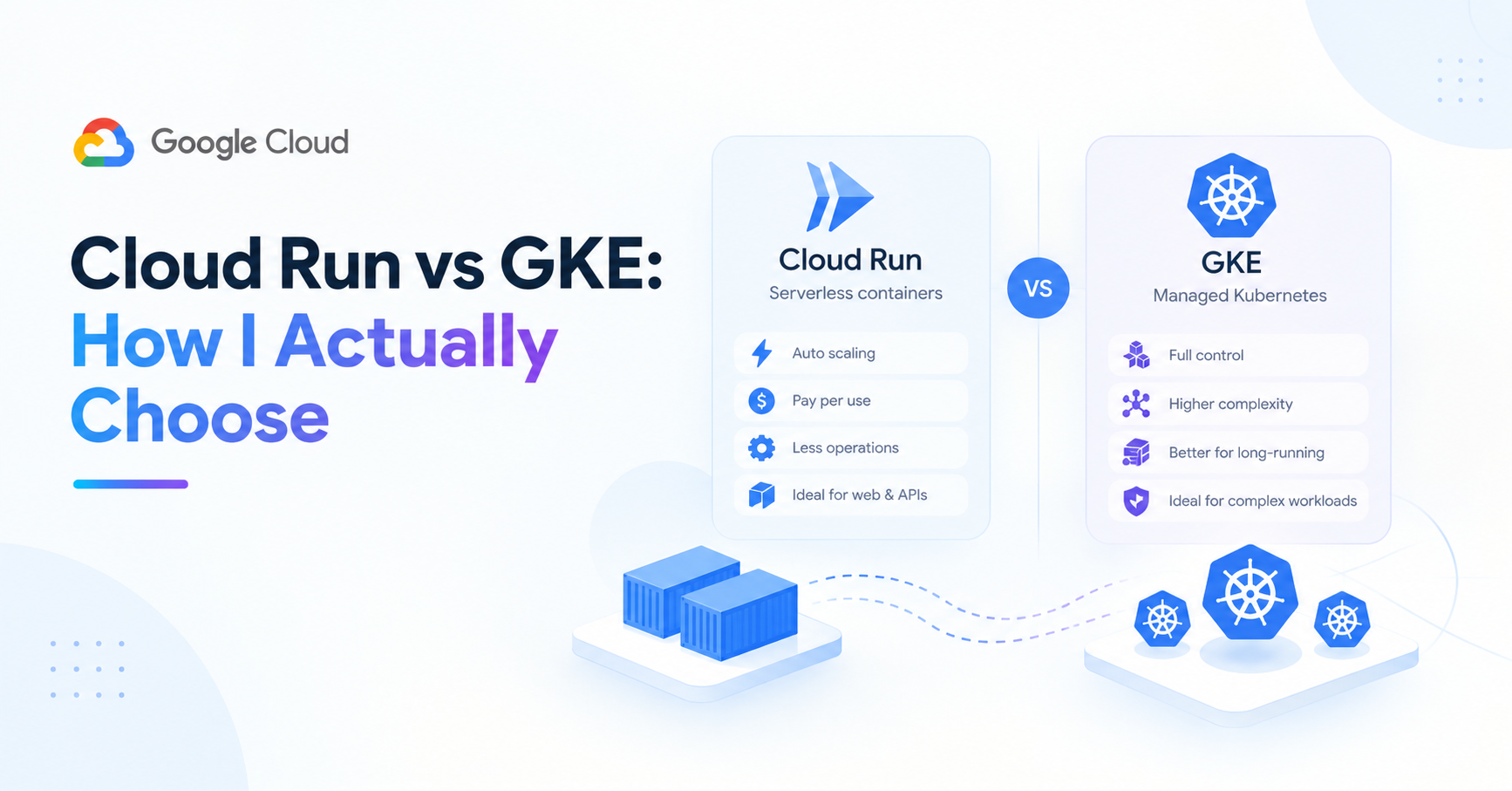
Cloud Run vs GKE: How I Actually Choose
Cloud Run and GKE both run containers on GCP. Beyond that, they have different operational models, different cost structures, and different ceilings. Choosing between them isn't about which is "better
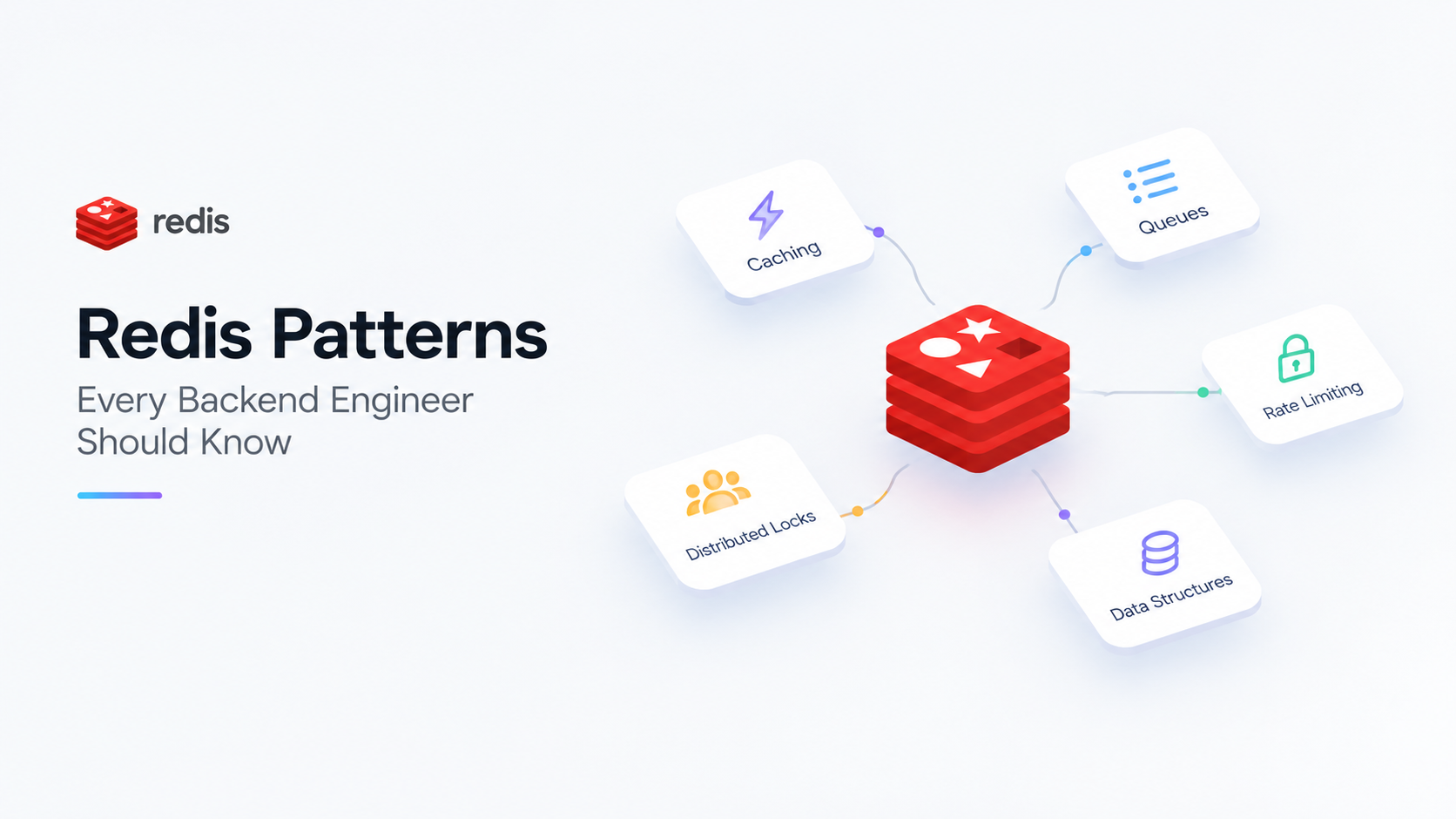
Redis gets reached for because it's fast. That's often the wrong reason. Speed isn't a pattern — it's a property. Using Redis correctly means understanding what each pattern is actually good at and, j
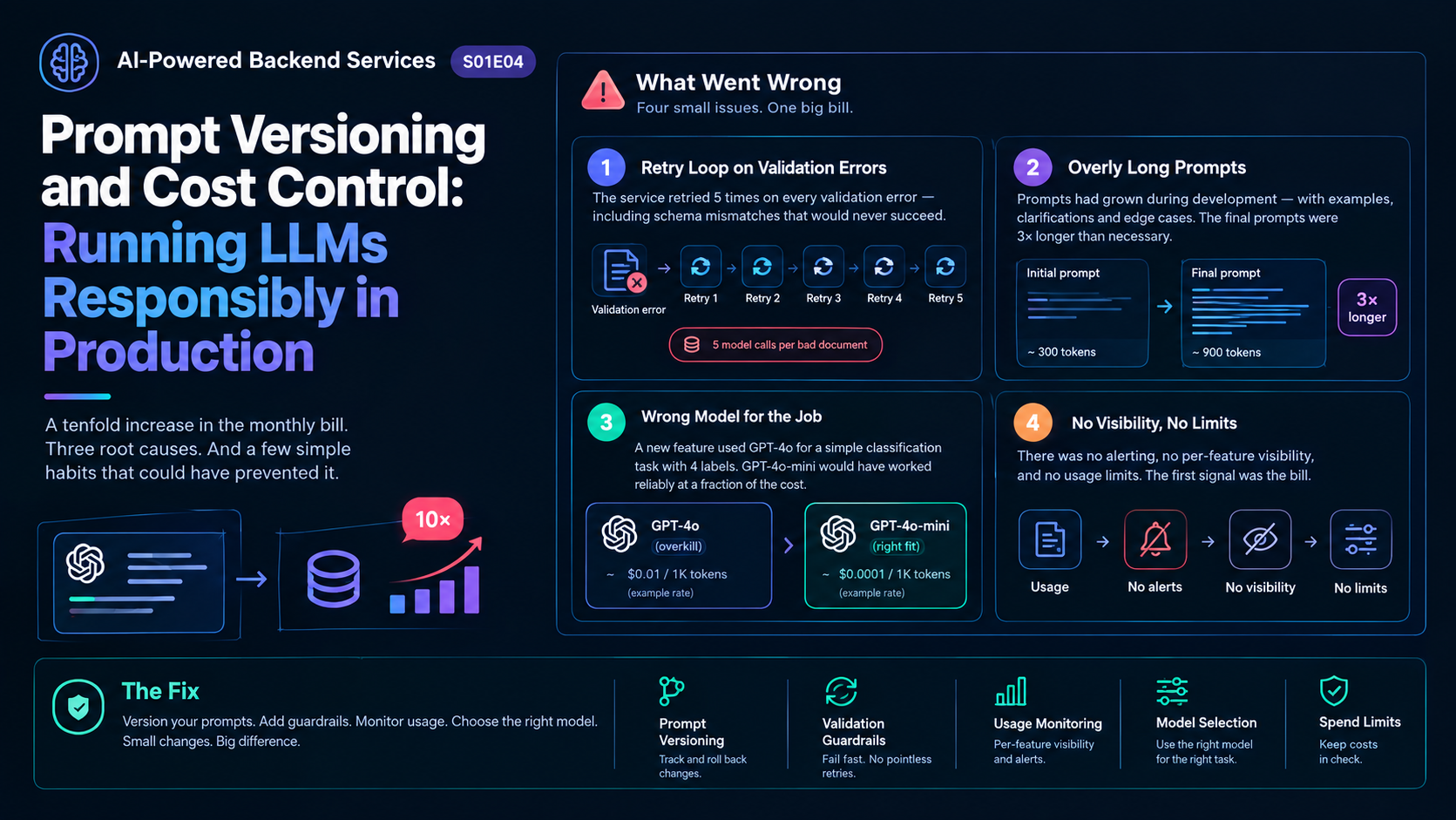
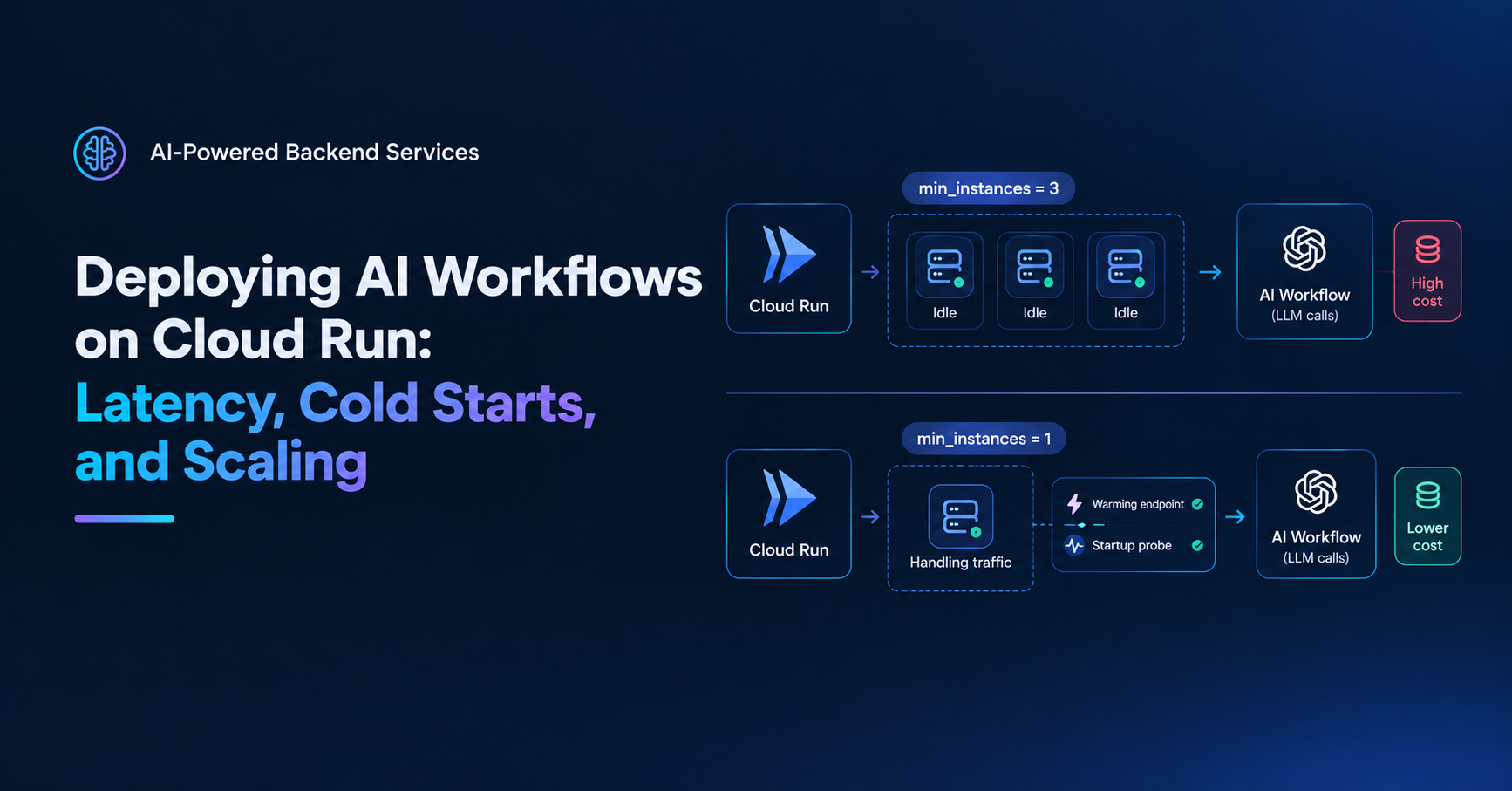
The monthly bill was ten times the estimate. Investigation took two hours. Three things were wrong. A retry loop was calling the model on every validation error — including schema mismatches that woul
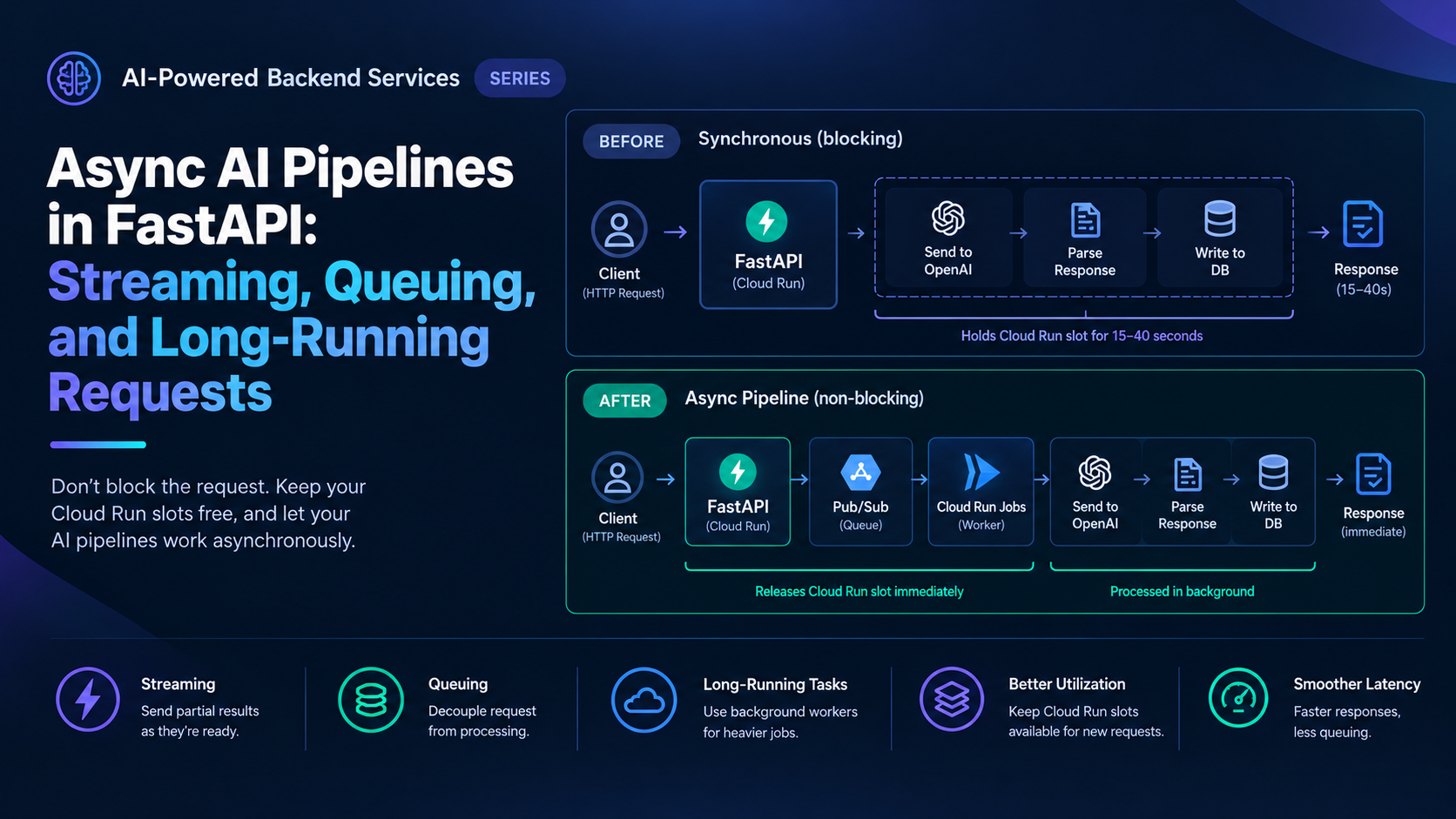
The document extraction endpoint was synchronous. A request came in, the service sent the document to OpenAI, waited for the full response, parsed it, wrote to the database, and returned. Each request
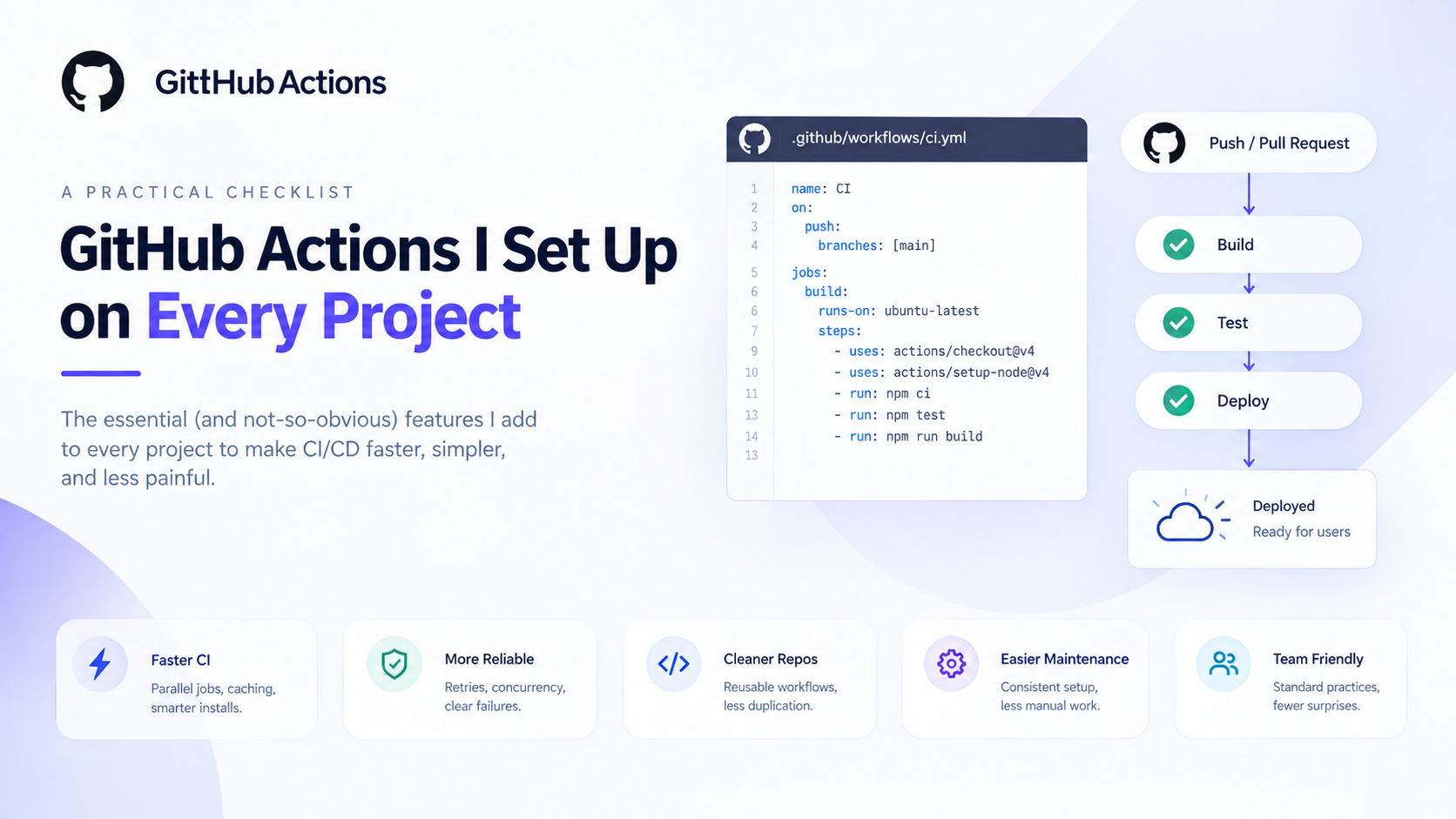
Most engineers using GitHub Actions daily know how to write a basic workflow — checkout, install dependencies, run tests, deploy. That covers 80% of what they need. The other 20% is a set of features
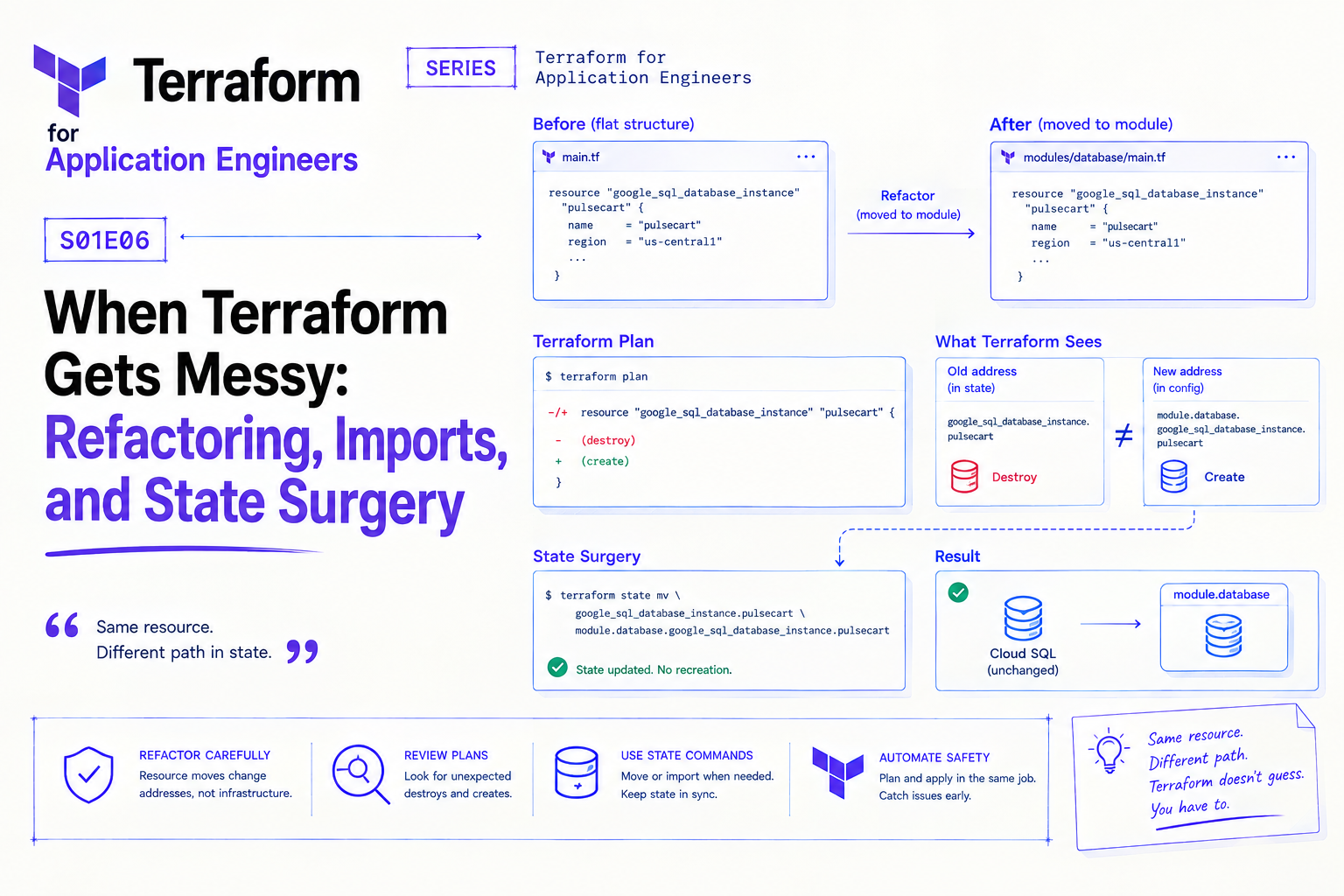
S01E06 of Terraform for Application Engineers
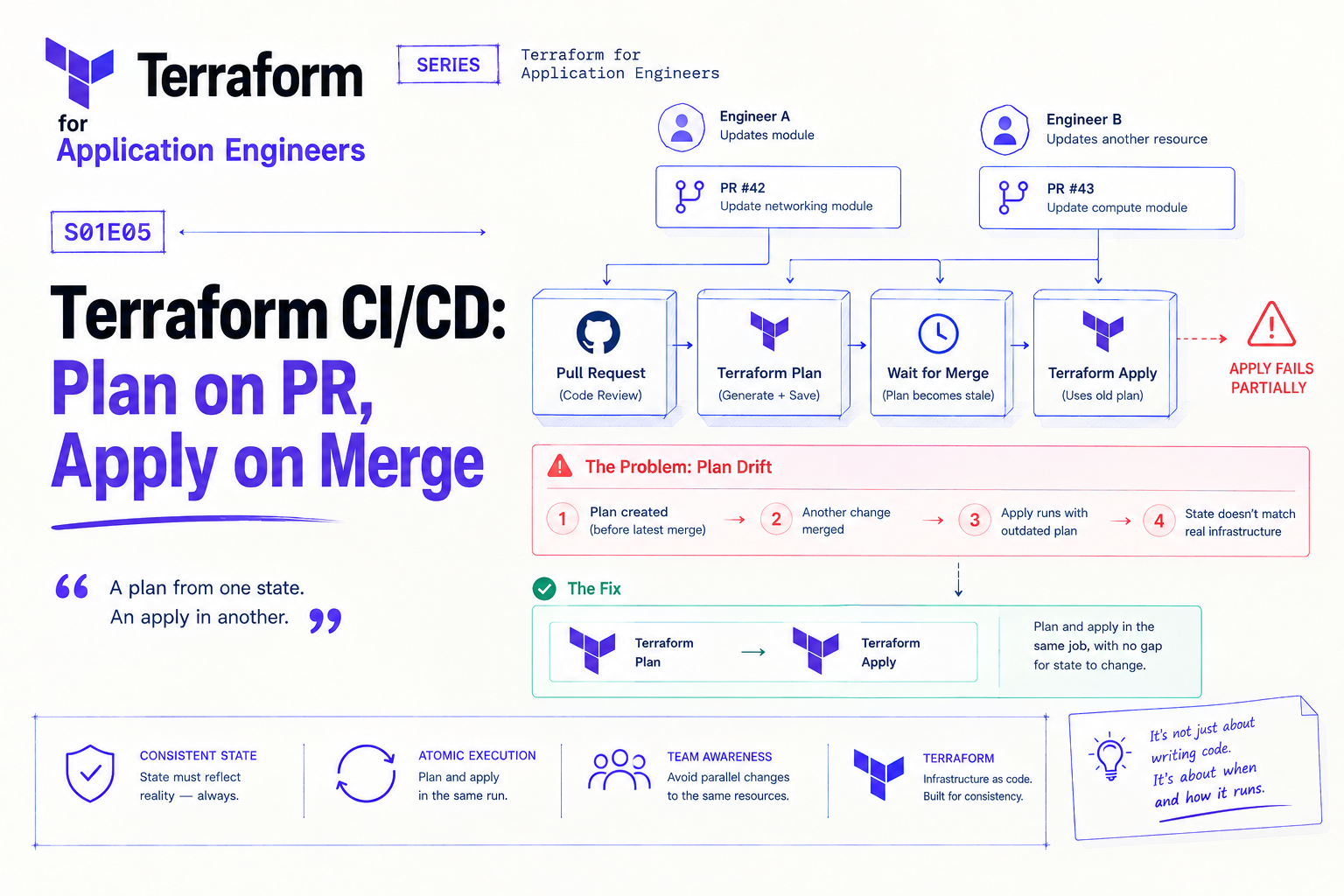
S01E05 of Terraform for Application Engineers